Showing posts with label Marketing ROI. Show all posts

Wednesday, December 17, 2025

Why Your Digital Ad ROI Isn’t What You Think – A Real-World Example


Analytics That Profit specializes in analytics-driven strategies. We encounter situations daily that remind us why proper measurement is crucial for business success.

Recently, we had a client consultation that perfectly illustrates why connecting your analytics to your advertising campaigns isn't just recommended—it's essential for profitable growth.

In digital marketing, it’s easy to get swept up in the excitement of big sales numbers and impressive-looking ad metrics. But behind every dollar spent and earned, there’s a story—the story of your true business performance.

Let me share a recent encounter with a client that perfectly illustrates the critical difference between surface metrics and what really matters: bottom-line profit.


The $1,800 Wake-Up Call: Why Revenue Isn't Profit (And How One Client Learned This the Hard Way)

google ad spend- Google Ads-phil wiseman-analytics that profit

The Scenario: Money In, Sales Out… But Something’s Missing

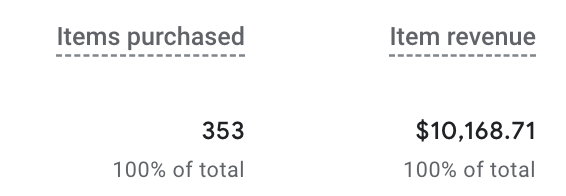
A new client came to us after spending $3,300 on digital advertising. At first glance, the results looked promising: their ad campaigns generated $10,000 in sales. They were excited; these numbers felt like a win to them.

However, a crucial step was missing—the ads hadn’t been properly connected to their analytics.


They were flying blind.
revenue generated in Google Analytics-phil wiseman-analytics that profit

The Game Changer: Connecting the Dots with Analytics

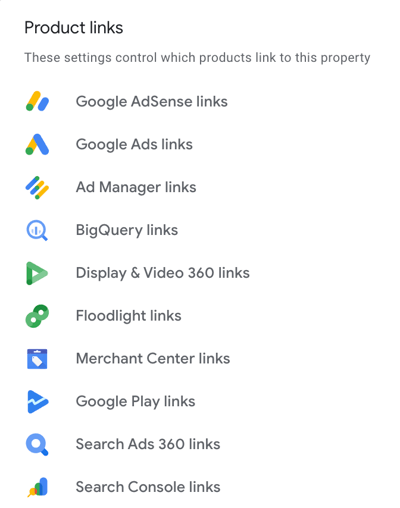
We got to work immediately, integrating their ad platforms with their analytics so every click and dollar spent could be accurately tracked. Suddenly, they gained a clear view of the big picture.

The initial $10,000 in sales was still there—but now there was transparency and clarity about how those sales were attributed to specific ad spend.
connecting Google Ads to Google Analytics-phil wiseman-analytics that profit


The Reality Check: The “Gross” Truth About Profit

Here’s where the story takes a significant turn. When we dug into the actual numbers, we discovered that the company’s gross profit margin on those sales was 15%.

  • $10,000 in sales × 15% gross profit = $1,500 gross profit
  • Total ad spend: $3,300
  • Return on Ad Spend (ROAS) based on gross profit: $1,500 ÷ $3,300 ≈ 0.45

That means for every dollar spent on ads, they got back just $0.45 in true profit.

In other words, they weren’t just breaking even—they were losing money on their digital ad campaigns.

The Lesson: Cash Flow Isn’t Profit

This scenario highlights a vital lesson for any business investing in digital marketing: Revenue and cash flow do not equal profit. High sales numbers may look great on reports, but if you’re not factoring in your costs, you don’t have the full story.

In this case, once costs of goods sold and other expenses were factored in, the ad campaigns were underwater. The business was actually losing money every time they invested more in those campaigns.

Understanding Cash Flow vs. Profit

This scenario perfectly illustrates a critical business concept that many entrepreneurs struggle with: cash flow is not the same as profit.

Cash flow represents the money moving in and out of your business. In this case, $10,000 was flowing in from sales generated by the ads. This positive cash flow might have made the business feel successful and flush with money to reinvest.

Profit, however, is what remains after all costs are accounted for. Our client's cost of goods sold was 85% of their revenue, meaning that $8,500 of that $10,000 went right back out to cover the cost of the products they sold. Add the $3,300 in advertising costs, and they were actually in the red by $1,800.

This is why businesses can appear to be thriving—with increasing sales and positive cash flow—while simultaneously losing money on their marketing efforts.


Key Takeaways for Your Business

This client's experience offers several important lessons for any business running digital advertising:

1. Connect Your Analytics

Without proper attribution, you're making marketing decisions based on incomplete data. Ensure your advertising platforms are correctly connected to your analytics tools, allowing you to track the entire customer journey.

2. Track Profit, Not Just Revenue

Revenue metrics can be misleading. Always calculate your return on ad spend based on gross profit margins, not just total sales.

3. Understand Your True Costs

Know your cost of goods sold, your operational expenses, and your profit margins. These numbers should drive your advertising strategy, not vanity metrics like total impressions or clicks.

4. Monitor Regularly


Want to transform your marketing from “impressive numbers” to actual profit?
Start with an analytics audit—so you know exactly which efforts are fueling your bottom line.

Ready to see how your marketing is really performing?

Let’s connect and get you meaningful results—not just big numbers.

Analytics That Profit—Turning Clicks Into Customers, and Customers Into True Profit.

Monday, August 20, 2018

How Do I Know If My Marketing Is Working?

ou have hired the best creatives.
You have maximized your budget.
Now what?

How Do You Know If Your Marketing Is Working?

Is Your Marketing Working_Analytics That Profit
Here are some simple things you can do to make sure your marketing is working.
Set A Goal
Every activity in business should have a desired stated outcome. Desired outcomes could include more RFQ's (Request For Quotes), Website visits, White-paper downloads, Schedule a call, etc. Once you established the goal then you need to measure for success. Google Analytics makes this very easy. 
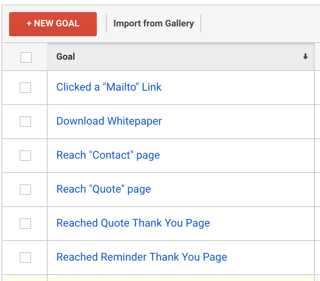
Choose events that lead to revenue generation. It can be as simple as Quotes Submitted, particular Downloads or number of Downloads, Specific Time On Page or Watching a Video.
Goal Setting in Google Analytics Analytics That Profit.png[Click here to see what Google says about setting goals.]
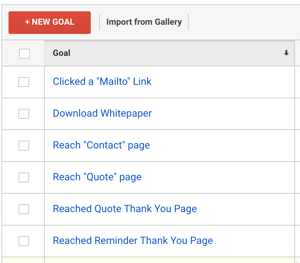
Goals In Google Analytics Tied to revenue Generation Analytics That Profit.png
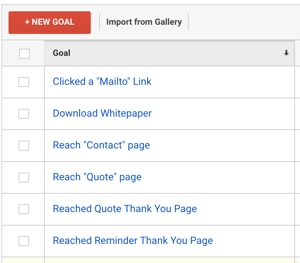
Here are some examples of goals that lead to revenue generation.
It takes an understanding of your business processes to select the correct goals. When selecting goals it is best practice to involve all those involved in the sales process so proper attribution can be assigned. 
Monetize Your Goals
Your gut reaction might be to assign Total Sale Value as the monetary value of the goal. The problem is you have not accounted for all costs.  We recommend that you download our ebook Marketing Metrics Your Boss Really Cares About for the methodology of calculating ROI on marketing.
Consider using some percentage of the profit after accounting for all costs. You must reach a consensus agreement with everyone involved in the process. Once you have agreement on the profit piece, the really hard part is next.
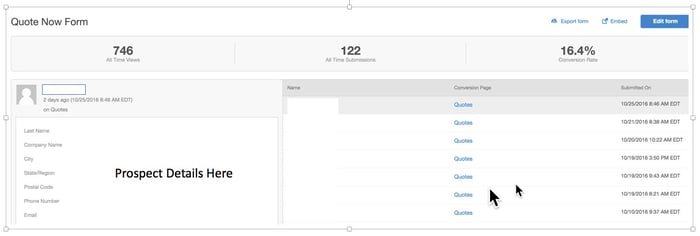
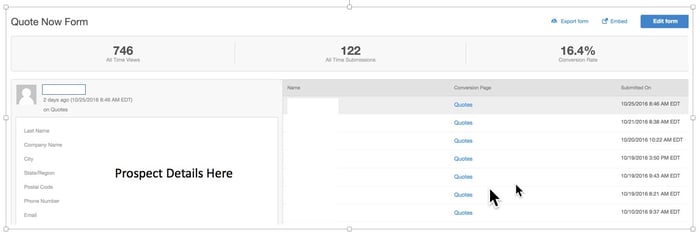
You must identify the sales that were generated by your website. This could include visitor downloads before they called for a quote or Simple Form Submission. This requires meticulous attention to detail in record keeping and the patience to gather historical data. Segregate existing customers from new customers to present a solid case so you don't hear "They were already a customer so we would have gotten that business anyway." 

We like to use HubSpot with our clients as it makes tracking and attribution simple.Form Submission in HubSpot Analytics That Profit.jpg
  • Collect Data over a Specified Time Range - 30 days is OK, but 90 days is better.
  • Reevaluate your goals to make sure you did not miss any "key" revenue generating activity.
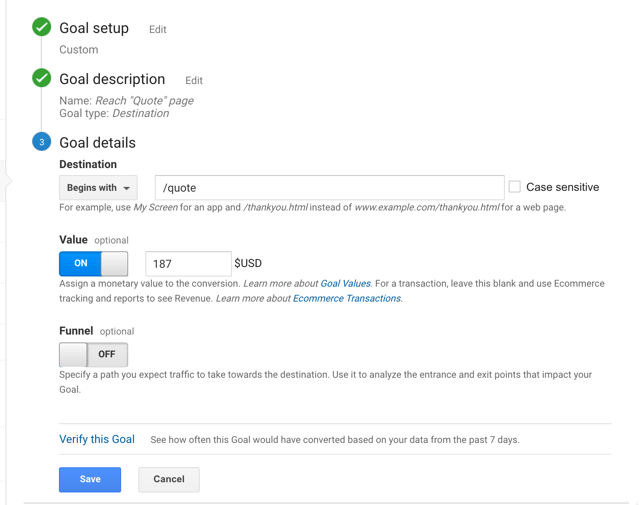
  • Determine the monetary value from website generated revenue based on goal completions.
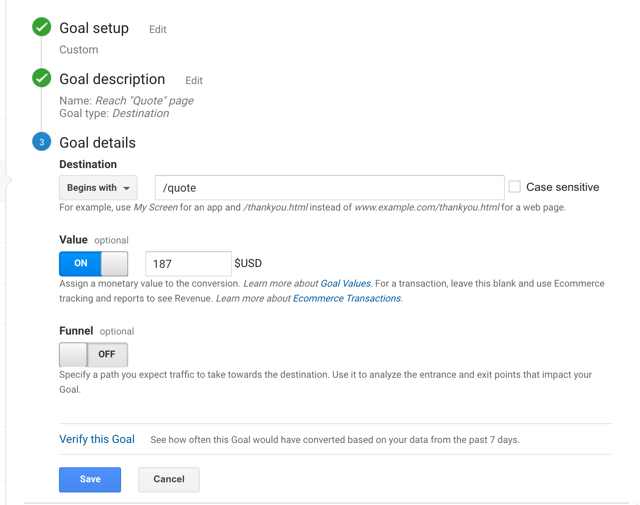
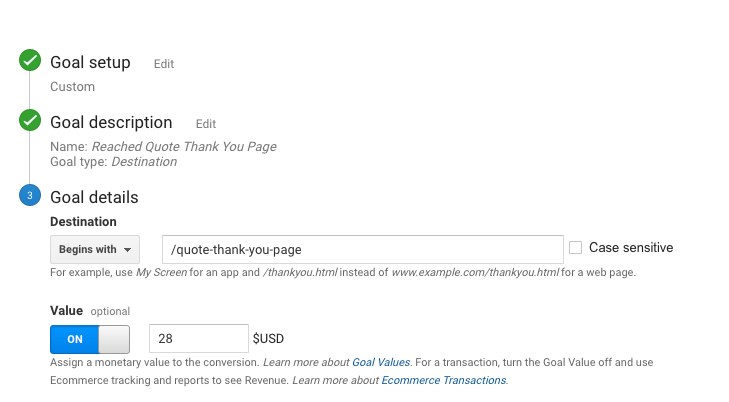
  • Assign Monetary value in Google Analytics.
Goal Value in Google Analytics Analytics That Profit.png
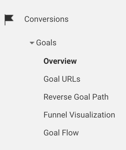
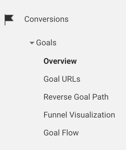
Now you will see the results of your efforts in Google Analytics reports.
Conversions and Goals in Google Analytics Analytics That Profit.pngGoal Completion Dollar Value in Google Analytics Analytics That Profit.png

Focus on What Is Working
Once you are seeing the ROI (Return On Investment) that makes sense for your business with a specific marketing approach, do more of that. You can spend all the money you want on marketing that does not work and it will not make it work.
Many believe economic theory proves that spending more produces more results. Modern research show this is not always a valid model. You may want to read Large Stakes And Big Mistakes to see how this does not always hold true.
Be bold enough to stop doing what does not work. This is very difficult thing to do. You read article about how a campaign created enormous success and you want to try it.  What worked for others may not  work for you. 
Don't Underestimate The Power of Free Marketing
Google My Business is a free tool that is overlooked by many businesses. Think of Google My Business as a mini website. 
Here are a few easy things you can do as a business owner to take advantage of this FREE lead generation tool called Google My Business.
Verify Your Google My Business Page -It is FREE. Your business contact information, hours, phone, website, reviews, photos,etc are posted for the world to see at no charge to you.
Post on your Google My Business page- read this article for the step by step details.
Set up messaging on your Google My Business page- Check out this blog post for step by step instructions.

Monday, May 21, 2018

How To Calculate Marketing ROI Using Google Analytics

Does this sound familiar?
Your business invests money in online marketing but you aren't sure if that marketing is generating revenue. Everyone tells you that clicks mean success, but what your business really needs is more customers. At the end of the day, you just want your online marketing to do what it is supposed to do and grow your business!
Google Analytics is free and easy to install. It provides a wealth of information about what is hot and what is not on your website pages, BUT how can you find out your Marketing ROI?
Step 1
Set goals in Google Analytics
To set a goal in Google Analytics is pretty easy. Choose events that lead to revenue generation. It can be as simple as Quotes Submitted, particular Downloads or number of Downloads, Specific Time On Page or Watching a Video.
Goal Setting in Google Analytics Analytics That Profit.png[Click here to see what Google says about setting goals.]
Goals In Google Analytics Tied to revenue Generation Analytics That Profit.png
Here are some examples of goals that lead to revenue generation.
It takes an understanding of your business processes to select the correct goals. When selecting goals it is best practice to involve all those involved in the sales process so proper attribution can be assigned. 
 Step 2
Add a dollar value to the goals
Your gut reaction might be to assign Total Sale Value as the monetary value of the goal. The problem is you have not accounted for all costs.  We recommend that you download our ebook Marketing Metrics Your Boss Really Cares About for the methodology of calculating ROI on marketing.
Consider using some percentage of the profit after accounting for all costs. You must reach a consensus agreement with everyone involved in the process. Once you have agreement on the profit piece, the really hard part is next.
You must identify the sales that were generated by your website. This could include visitor downloads before they called for a quote or Simple Form Submission. This requires meticulous attention to detail in record keeping and the patience to gather historical data. Segregate existing customers from new customers to present a solid case so you don't hear "They were already a customer so we would have gotten that business anyway."

We like to use HubSpot with our clients as it makes tracking and attribution simple.Form Submission in HubSpot Analytics That Profit.jpg
  • Collect Data over a Specified Time Range - 30 days is OK, but 90 days is better.
  • Reevaluate your goals to make sure you did not miss any "key" revenue generating activity.
  • Determine the monetary value from website generated revenue based on goal completions.
  • Assign Monetary value in Google Analytics.
Goal Value in Google Analytics Analytics That Profit.png
Now you will see the results of your efforts in Google Analytics reports.
Conversions and Goals in Google Analytics Analytics That Profit.pngGoal Completion Dollar Value in Google Analytics Analytics That Profit.png
 There are no participation trophies in business. You need to know if your digital marketing is generating revenue.
Have more questions?

Monday, May 14, 2018

How To Calculate The ROI From Social Media

You don't sell a product directly on your website. There is no shopping cart. How do you know if your website is actually helping people buy your product or service? Now let's complicate it further by asking what role social media played in bringing buyers to your website?
These are complicated questions and you would think you need a complex solution to answer them. Do you need to purchase special 3rd party software? Would it be better to pay a developer to write a custom program for your unique business situation?
There is a simple solution to this complex problem.
Did we mention it is free?
It is Google Analytics.
It is likely that you already have Google Analytics on your website. If not, it is free and is simple to install.  You do not need any special coding skills. Follow these simple steps to install Google Analytics. Once Google Analytics is installed you are ready to measure the impact of social media in the buying process.

How To Calculate The ROI From Social Media


Set a Goal in Google Analytics

 Choosing a goal in Google Analytics is simple. Choose events that lead to revenue generation. It can be as simple as Quotes Submitted, particular Downloads or number of Downloads, Specific Time On Page or Watching a Video.
Click here to see what Google says about setting goals.
Goals In Google Analytics Tied to revenue Generation Analytics That Profit
Here are some examples of goals that lead to revenue generation.
It takes an understanding of your business processes to select the correct goals. When selecting goals it is best practice to involve all those involved in the sales process so proper attribution can be assigned.
ProTip- Create a Thank You page for all completed activities that are related to revenue generation.  Make the Thank You page the goal.

Assign A Dollar Value To The Goal

Your gut reaction might be to assign Total Sale Value as the monetary value of the goal. The problem is you have not accounted for all costs.  We recommend that you download our ebook Marketing Metrics Your Boss Really Cares About for the methodology of calculating ROI on marketing. Consider using some percentage of the profit after accounting for all costs.

You are almost there. Here are the next steps:

1. Collect Data over a Specified Time Range - 30 days is OK, but 90 days is better.

2. Reevaluate your goals to make sure you did not miss any "key" revenue generating activity.

3. Determine the monetary value from website generated revenue based on goal completions.

4. Assign Monetary value in Google Analytics.
Goal setup in google analytics analytics that profit

Measure the impact from Social Media

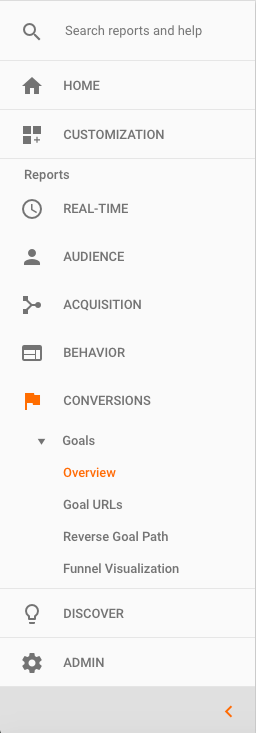
In Google Analytics, click Conversions.
Conversions from social media analytics that profit
You can now drill down to see what social media channels were involved on goal conversion.
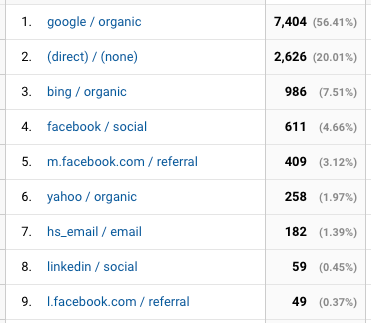
In  Overview, you can simply click Source/Medium and you will see which social media platforms contributed to conversions.
how to calculate the roi from social media analytics that profit
You can also click Goal Flow and see how visitors entered from social media and what path they took to arrive at the goal.

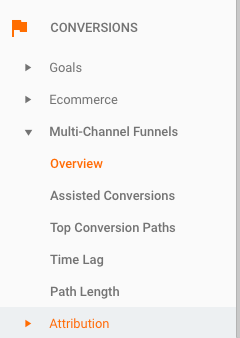
Now take a look at Multi-Channel Funnels.
attribution social media roi analytics that profit
This provides a holistic overview of  how they reached the goal.

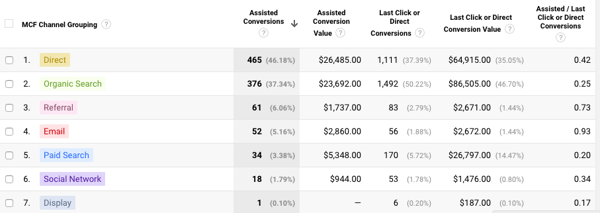
You can then look at Assisted Conversions and see the monetary impact of  social media .
assisted conversion social media roi analytics that profit
You can now calculate the ROI from social media. This is also a gut check. Google Analytics has no emotions so you are going to see what is really going on with your marketing. The winners and losers.  If your social media is not having the revenue generation impact you had hoped, maybe we should talk.

Why Using AI Tools Doesn’t Make You an Expert

  Using AI tools doesn’t make you an expert—any more than looking at your own CT scan makes you a radiologist. It just means you’re holding ...