Showing posts with label SEO. Show all posts

Friday, April 17, 2026

Why Using AI Tools Doesn’t Make You an Expert

 Using AI tools doesn’t make you an expert—any more than looking at your own CT scan makes you a radiologist. It just means you’re holding powerful instruments you may not fully understand.


Why Using AI Tools Doesn’t Make You an Expert (Any More Than Reading Your X‑Ray Makes You a Radiologist)

 

using AI tools does not make you an expert-ask an expert- phil wiseman-analytics that profit

Imagine you log into your medical portal, open your MRI, zoom in and out, and carefully read the radiologist’s report. You can see the images. You can see the medical jargon. But you still don’t know how serious it is, what’s normal for your age, or what to do next. That’s the radiologist’s job, built on years of training, not a five‑minute scroll.

AI tools for SEO and digital marketing work the same way. They can:

Generate pages of SEO content in seconds  
- Spit out a technical “audit” with red, yellow, and green flags  
- Suggest keywords, headings, and meta descriptions  

But that doesn’t mean the person holding the report has the expertise to interpret it, prioritize it, and turn it into profitable action. The expert is the strategist who understands the patterns, the context, the risks, and the business model behind the data.


The Hidden Risk of Mass‑Produced AI Content for SEO

AI content and search engine visibility

On the surface, AI‑generated content feels like a dream: more content, faster, cheaper. Under the surface, it can quietly erode your organic visibility and brand trust.

Here’s why.

  • Generic AI content often has low topical depth. It blends what’s already on the internet into something that “sounds right” but doesn’t add new insight, data, or experience. Search systems are getting better at recognizing low‑value, me‑too content and rewarding pages that are original, specific, and helpful.  
  • Sites that flood their blogs with AI articles frequently see a boom‑and‑bust pattern.  They might see a short‑term lift for long‑tail keywords, followed by gradual declines as user engagement (bounce rate, time on page, scroll depth) tells search engines, “this isn’t actually helpful.”
  • Domain‑level quality matters. When a large percentage of your pages are thin, repetitive, or near‑duplicates, it can drag down the perceived quality of the entire site—weakening even your best‑performing URLs.


Recent industry analyses comparing human‑written and AI‑written pages show a clear pattern: human content is far more likely to hold the top organic positions, while AI content clusters lower on page one or falls off entirely over time. That’s because real expertise, original perspectives, and concrete examples are hard to fake at scale.


 Why “content for content’s sake” backfires

This is where many businesses go wrong. They treat “SEO content” as a volume game:

- X blog posts per week  

- Y keywords per article  

- Z internal links  

AI makes this easier. But easier doesn’t mean smarter.

When the strategy is “publish more,” not “solve more real problems for real humans,” you end up with:

- Articles that repeat the same LSI (latent semantic indexing) keywords and related terms without adding clarity  

- Posts that target similar search intent and cannibalize each other  

- Content that looks optimized to an algorithm but feels generic, vague, and untrustworthy to a human

Search engines are continuously aligning ranking systems with user satisfaction. If your content fills the page but not the need, your visibility will suffer.


Focusing on rewarding quality content has been core to Google since we began. It continues today, including through our ranking systems designed to surface reliable information and our helpful content system. The helpful content system was introduced last year to better ensure those searching get content created primarily for people, rather than for search ranking purposes.

When it comes to automatically generated content, our guidance has been consistent for years. Using automation—including AI—to generate content with the primary purpose of manipulating ranking in search results is a violation of our spam policies."


Source:  Google Search's guidance about AI-generated content


 Helpful Content vs. Machine‑Generated Noise

Semantic relevance is not the same as real usefulness

AI is excellent at semantic SEO basics. It can:

Sprinkle related queries and LSI keywords into your headings and body copy  

- Generate FAQ sections and long‑tail phrases  

- Expand outline points into paragraphs that read smoothly  

But semantic relevance is only step one. To win in competitive search results today, your content also has to:

- Show real‑world experience and authority  

- Answer the “so what?” and “now what?” questions  

- Address objections, edge cases, and decision‑making details that only come from talking to customers  

A human writer with domain expertise can do this. An AI model that has never spoken to your buyers, used your product, or battled your local competitors cannot.

 

why solving real human problems win-showing up in AI overview is not the same as getting traffic from chatGPT- phl wiseman _analytics that profit

Why solving real human problems wins

The brands that consistently grow organic traffic and conversions are not the ones who publish the most; they’re the ones who solve the most.

That means:

- Content driven by customer journey mapping, not keyword dumps  

- Pages that address true pain points, objections, and decision criteria  

- Resources that your sales and support teams actually want to send to prospects  

When your content is built around real humans, search engines tend to follow. Longer sessions, better engagement, more branded searches, and higher conversion rates send strong signals that your site deserves visibility.
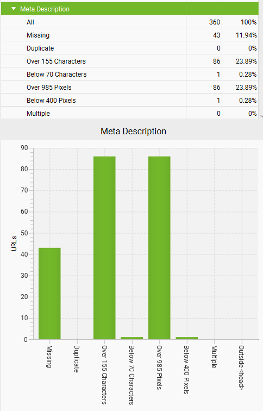
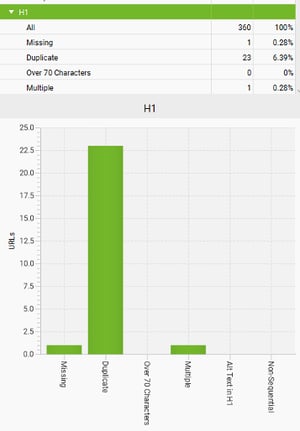
 

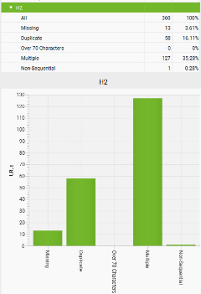
seo report- meta descriptions-why using ai tools do not make you an expert- phil wiseman- analytics that profitheaders-seo report- meta descriptions-why using ai tools do not make you an expert- phil wiseman- analytics that profith2 headers-seo report- meta descriptions-why using ai tools do not make you an expert- phil wiseman- analytics that profit

Reading an AI SEO Report Doesn’t Mean You Understand SEO

What AI SEO reports really are


Most AI‑generated SEO audits and reports are pattern‑based summaries. They’re built on:

Public best‑practice checklists  

- Template‑style technical checks  

- Standard on‑page SEO guidelines  

They can flag obvious issues like:

- Missing or duplicate title tags  

- Very slow pages  

- Weak internal linking  

- Thin pages with little text  

Those are useful starting points—but they’re not a strategy. And they’re not a diagnosis.
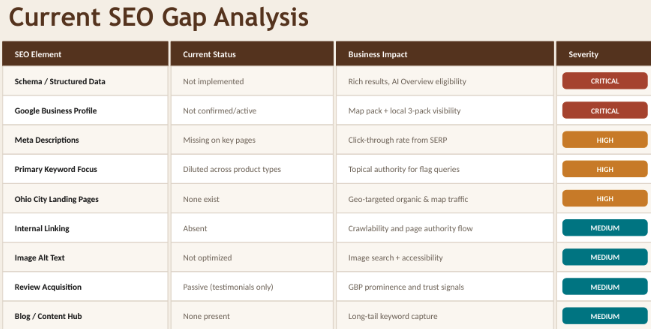
seo -expertise-why solving real human problems win-showing up in AI overview is not the same as getting traffic from chatGPT- phl wiseman _analytics that profit

Interpretation and prioritization require expertise

Two sites can receive the same “problems list” and need completely different strategies.

An expert SEO understands:

- Which issues are high‑impact vs. nice‑to‑have  

- Which technical problems are actually blocking crawl and indexation  

- Which keyword gaps matter for revenue, not just traffic  

- When to ignore a “best practice” because it conflicts with user experience or business logic  

Without that context, it’s easy to:

- Spend weeks chasing low‑impact recommendations because an AI report highlighted them in red  

- Over‑optimize content for keywords while ignoring intent and conversion paths  

- Break something that was working by blindly implementing generic advice

Owning a report is like owning imaging equipment: you still need someone who knows what they’re looking at and what to do about it.


Why AI Can’t “Do SEO” End‑to‑End

SEO is an integrated, strategic discipline

Search engine optimization is not a checklist. It’s a strategic discipline that pulls together:

- Technical SEO (site architecture, crawlability, indexation, speed)  

- Content strategy (search intent, topical depth, semantic coverage, content clusters)  

- Off‑page SEO (authority, mentions, trust signals, digital PR)  

- Analytics and attribution (how organic search actually turns into pipeline and revenue)  

- User experience (readability, UX, conversion paths, mobile usability)  

AI tools can support individual tasks inside each area, but they:

- Don’t own a P&L  

- Don’t understand your market’s nuance  

- Don’t sit in on sales calls  

- Don’t see your offline conversions or lifetime value  

An expert can weigh all of these moving parts and build an SEO strategy that aligns with your business, not just with a search results page.


How to Use AI in SEO Without Hurting Yourself

Let AI assist, not lead

AI is powerful when you treat it as an assistant, not an architect. Smart ways to use it include:

- Drafting initial outlines and content ideas around a topic and its related keywords  

- Generating variations of title tags and meta descriptions for testing  

- Summarizing long research documents or transcripts so a strategist can move faster  

From there, a human expert should:

- Fact‑check, refine, and enrich content with real data, stories, and examples  

- Ensure the piece matches your brand voice and positioning  

- Decide whether the content deserves to be published at all  

- Integrate the piece into a broader internal linking and conversion strategy  


 Focus on quality, not just quantity

Instead of asking, “How many AI‑generated posts can we publish this month?” ask:

- “Which real customer problems should we solve first?”  

- “What information do buyers need at each stage of the funnel?”  

- “Where are we losing people in our current path from click to customer?”  

Answering those questions often leads to:

- Fewer, stronger pages with better topical authority  

- Content clusters that build semantic relevance around core themes  

- Clearer calls to action and more qualified leads  

AI can help you draft and polish, but the direction has to come from a strategist who understands both SEO and your business.

you still need experts--why solving real human problems win-Why Using AI Tools Doesn’t Make You an Expert (Any More Than Reading Your X‐Ray Makes You a Radiologist)- phl wiseman _analytics that pr

Why You Still Need Experts in the Age of AI

Human expertise is your competitive moat

When everyone has access to the same tools, the tools are no longer an advantage. Execution is.

Experts bring:

- Judgment: What matters now, what can wait, and what to ignore  

- Perspective: Experience with dozens or hundreds of sites in different industries  

- Strategy: A roadmap that connects rankings to revenue, not vanity metrics  

- Accountability: Someone who lives with the results and iterates based on data  

That’s where an expert‑led, AI‑assisted agency like Analytics That Profit creates value. We leverage AI for efficiency, but we build strategy on hard‑won experience, technical depth, and a deep understanding of your customers.


The imaging analogy, one last time

AI in SEO is like imaging equipment in medicine:

- It’s powerful.  

- It’s useful.  

- It’s getting better.  

But if you hand a patient their scan and say, “Good luck,” you’re not practicing medicine. You’re outsourcing outcomes to chance.

expertise-why solving real human problems win-showing up in AI overview is not the same as getting traffic from chatGPT- phl wiseman _analytics that profit

The same is true in digital marketing. If you hand your business an AI tool and call it a day, you’re hoping, not strategizing.

If you want to use AI to grow—without wrecking your search visibility or flooding your site with content that doesn’t convert—work with experts who understand both the tools and the terrain.

Monday, June 12, 2023

Do Meta Descriptions Increase Website Traffic?

This blog post will explore the topic in-depth. We will look at how meta descriptions work, their purpose, and whether they have an impact on website traffic. So if you need help deciding to invest time in writing better meta descriptions for your website, read on!

What Are Meta Descriptions?

meta description_ analytics that profit

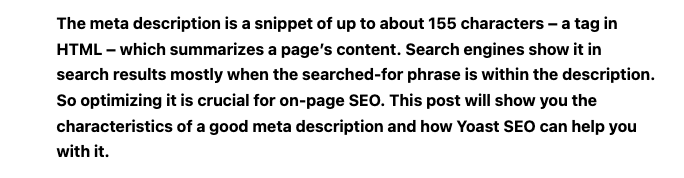
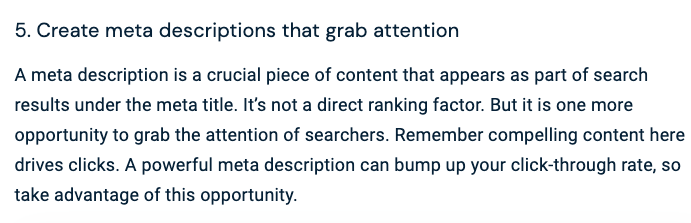
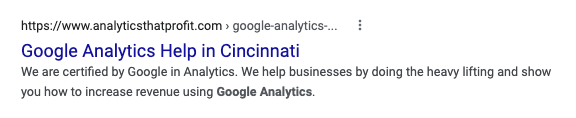
Meta descriptions are summaries of web pages that appear in search engine results pages (SERPs). They give users an idea of what the page is about before clicking on it. Meta descriptions are not a ranking factor for SEO, but they can influence click-through rates (CTRs). A higher CTR means more people are clicking on your listing in the SERP, which can lead to increased traffic to your website.

What is a meta description_moz_analytics that profit

Source: Yoast


What Is The Purpose Of Meta Descriptions? 


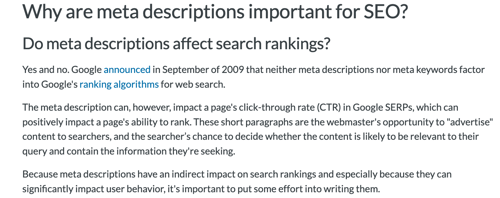
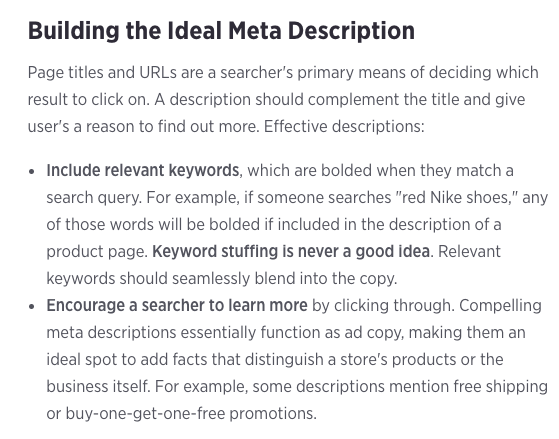
A meta description is a short snippet of text that gives users an accurate and concise summary of the content on the page. This quick blurb of information is often enough to encourage potential visitors to decide whether or not to click on your listing in the SERP. Therefore, a good meta description should be relevant to the page's topic, engaging, and straightforward.

whay meta descriptions are important for seo_analytics that profit

Source:Moz

Additionally, this description should be brief - 160 characters or less, to meet the limit. For this reason, it's essential to focus on writing meta descriptions that are clear and to the point.


Who Provides These Descriptions To Search Engines?


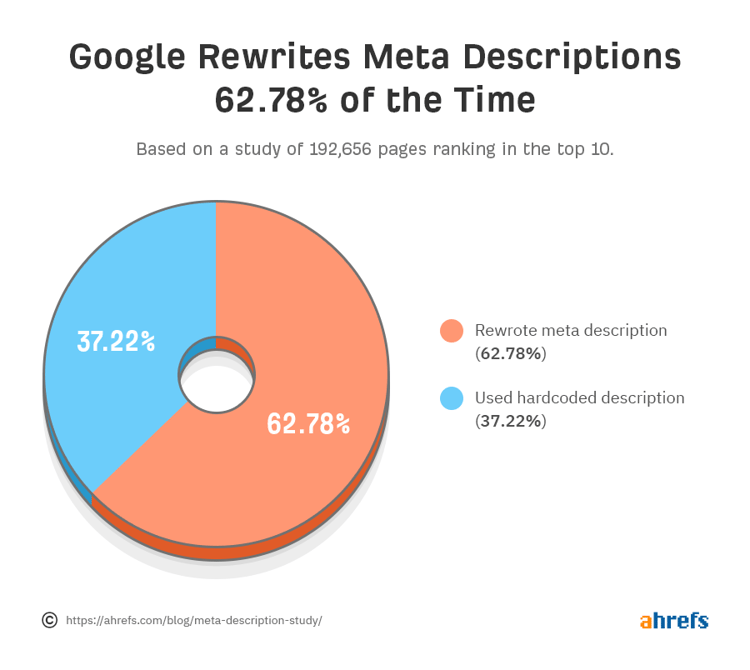
Generally, if not created and specified by the website owner, web admins, or developers, the descriptions are auto-generated by the search engine algorithms. However, this doesn't mean you shouldn't take the time to create unique and relevant meta descriptions.

meta decriptions_ google rewrites_analytics that profit

These snippets present the opportunity to "sell" your website or web page to users searching for specific terms related to your business, product, or service. A well-written and accurate meta description can be the difference between a user clicking on your listing or moving on to the next website result.


Do Meta Descriptions Increase Website Traffic?


Now that we know what meta descriptions are and their purpose, let's address the question: do they help increase website traffic? The answer is yes - but it is somewhat complex.

meta descriptions_google_analytics that profit

Source: Google

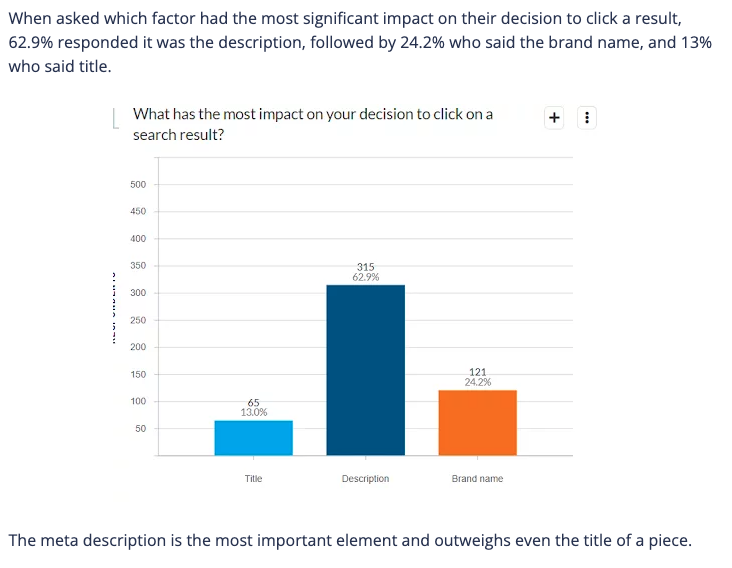
While meta descriptions may not be a direct ranking factor, they can influence CTR. A higher CTR means that more people are clicking on your listing in the SERP, which can lead to increased traffic to your site. However, there is no guarantee that a higher CTR will always result in more website traffic.

do mete descriptions increase website traffic_click through rate_analytics that profit

Source: Similiarweb

It's important to remember that meta descriptions are just one small part of your overall SEO strategy. Other factors contribute to increased website traffic, such as having a well-optimized website, creating high-quality content, and other on-page and off-page ranking factors.

meta description length_Neil Patel_ Analytics That Profit (1) (1)

So while meta descriptions can help increase website traffic, they should not be your only focus on SEO. Investing time and energy into other areas of SEO will likely have a more significant impact on your website's traffic levels.


How Can Meta Descriptions Affect An ECommerce Website?


If selling products or services online is your primary goal, you should know that meta descriptions can directly impact your eCommerce website.


Optimizing meta descriptions and tags for each product page is a best practice. It helps to increase the click-through rate and organic traffic. These descriptions should use target keywords and be unique, relevant, and engaging.

What is a meta description for online retailers_analytics that profit

Source: Big Commerce

Additionally, it can be helpful to include a call-to-action (CTA) in your product meta descriptions. CTAs encourage users to click on your listing in the SERP and visit your website. For example, telling them to "click here" for the latest deals or "learn more" about the product.


Paying attention to your meta descriptions and other factors that influence SEO can help improve your website's traffic and conversions.


Meta descriptions are essential to SEO, but other factors contribute to increased website traffic. Creating high-quality content, optimizing your website for users and search engines, and focusing on other SEO factors will also help improve your site's traffic levels.


Should Existing Meta Descriptions Be Changed?


If you're wondering whether you should change your existing meta descriptions, the answer is "maybe." If your website's traffic and CTR are good, then there's no need to make any changes.


However, evaluating your existing meta descriptions is an excellent place to start if you're unhappy with your website's traffic levels or CTR. Please make sure they're unique, relevant, and engaging, using the target keywords for each page. If not, then updating your meta descriptions may help improve your website's traffic.

meta descriptions_ google search console_ analytics that profit

Source: Google Search Console

It's critical to remember that optimizing any site is an ongoing process. Just because you update your meta descriptions doesn't mean your traffic will increase overnight. It can take weeks or even months to see the results of your SEO efforts.


If you've already "jumped under the hood," so to speak, to make sure your website is well-optimized and you're still not seeing results, it might be time to seek help. A qualified professional can evaluate your website and help you create an effective strategy to improve your traffic and CTR over time.


Professionals can help to identify any technical issues that might be holding your website back, as well as offer guidance on other SEO factors. Working with a professional can save time, energy, and resources in the long run, helping you to achieve your traffic and conversion goals.


In the same way our car or truck physically transports us from one place to another, meta descriptions help to "transport" users to our websites from the SERP. So, just as we need fuel for our vehicles, our websites need well-crafted meta descriptions to help increase website traffic.

Do Meta Descriptions Increase Website Traffic_click through rate_analytics that profit

When business website owners combine well-crafted meta descriptions, meta tags, relevant website content, and a fast-loading website - they can achieve website visits, conversions, and an outstanding return on investment and profit.

Contact our experts today if you could use a hand with crafting meta descriptions or other SEO aspects. We offer a free initial consultation to help you get started on the path to increased website traffic and conversions. 

schedule a time to talk

Monday, June 5, 2023

How do I generate more website traffic for free?

 One of the most common questions people have is how to drive more free traffic to their websites. It makes sense; visitors are the lifeblood that sites need for growth. Generating free website traffic can be challenging, but several strategies can help. Let's discuss some of these approaches.


Claim Your Google Business Profile

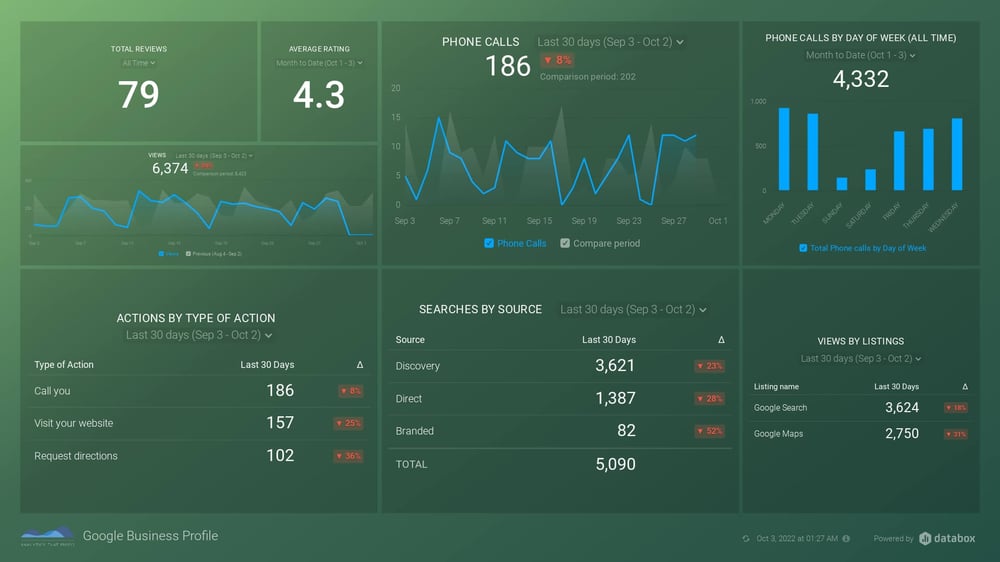
As a small business owner, your Google Business profile is among the best free marketing tools at your disposal. By setting up and claiming your profile for a few minutes, you can ensure that potential customers can find your business online and get the most accurate information about your products and services.

how to get website traffic for free_google business profile_analytics that profit 

Additionally, claiming your profile gives you access to valuable insights about how people find and interact with your business. With this data, business owners get empowered to make informed decisions about where to invest their marketing efforts for the greatest return.


Know Your Audience Or Target Market


Business owners should know their ideal customer persona, audience, or target market. By understanding who your customer is, what they need and want, and how they think, feel and behave, you can create marketing messages and strategies that resonate with them.

Is your marketing connecting with your ideal customer?

Maybe it's not your product but your messaging.

Buyer Personas help you connect with your customers.

Segmenting your ideal customer into specific buyer personas takes your marketing to a whole new level!

It's important to establish buyer personas for your business so you can segment your audience and create stronger marketing campaigns. But how do you start researching and creating these personas from scratch?


Get You Free Buyer Persona Ebook


Doing so will help you to attract more of the right kind of customers to your business and convert them into buyers. It's also important to understand your customer persona to segment your customer base and create targeted marketing campaigns.


Optimize Your Website For Your Customer Journey First


more website traffic for free- buyers journey_analytics that profit


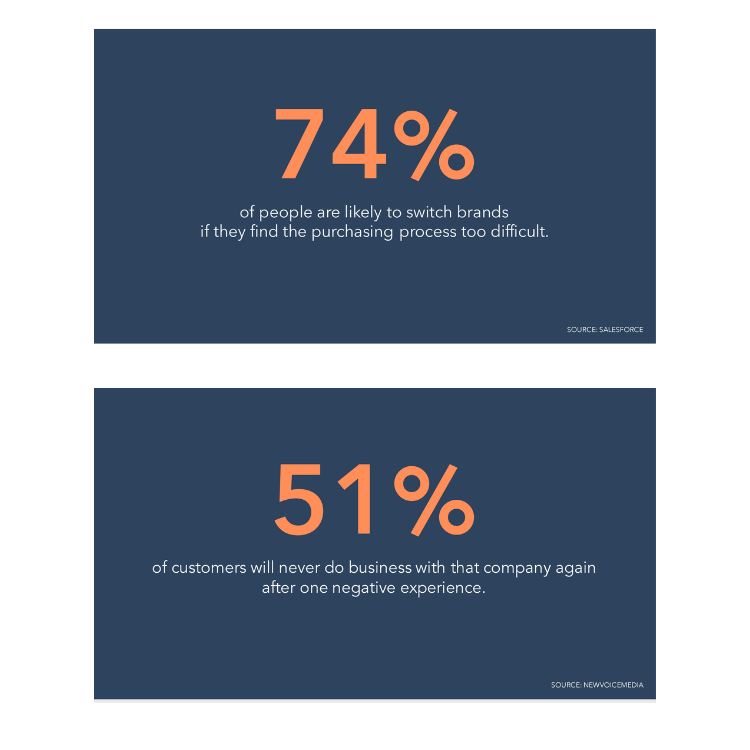
Many businesses today say their number one priority is to please customers. Although this sounds good, most companies are not even aware of how a customer interacts with their business and what pain points they have when accessing services. This leads to a gap in understanding the typical customer for a business and what their experience is like. Businesses need to understand customers’ needs in addition to each point of interaction they have with their company. This is why customer journey maps are vital for companies to understand and incorporate throughout their operations.


What is a customer journey map? 

A customer journey map is a visual representation of each engagement a customer has with your business. With a customer journey map, businesses can have a storyline of how a customer interacts with their business from beginning to end. This allows you to place yourself in the mind of a customer and see what the lifecycle is for the average customer of your business.

Are you answering your customers question or are you making them work to find answers? We really like to see FAQ's- Frequently Asked Questions prominently displayed on websites. Just ask Sales & Customer Service what questions they are asked everyday and you will know what to include on your FAQ section.

Do not make your customers work to find information!

flywheel_analytics that profit

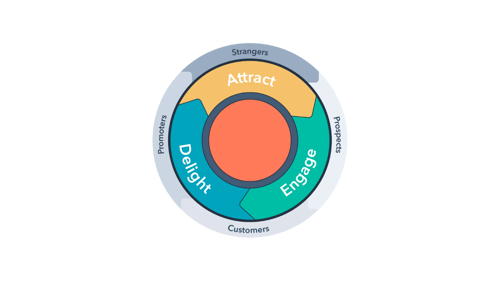
Think of your marketing as a flywheel as seen above. Satisfied customers will provide you with new customers by sharing their experiences on social media and by word of mouth! Simply put, don't forget to market to your existing customers. They will share your content and this will drive more traffic to your website for free.

As an ongoing process, SEO, or search engine optimization, improves website visibility and ranking in SERPs. By taking time to optimize their website for relevant keywords and phrases, businesses can attract free website traffic from people specifically searching for their products or services.

 In addition to generating organic traffic, SEO can also help improve click-through and conversion rates. As a result, businesses that invest in SEO can see a significant return on their investment over time. While there is no one-size-fits-all magic formula for success, there are a few key elements that all successful SEO campaigns have in common.

 These include thoroughly researched keywords, compelling and relevant content, and high-quality backlinks. By taking the time to implement these elements on their website, businesses can give themselves a significant advantage in search engine rankings. 

Not sure if your website is up to speed with SEO. Find out what Google thinks about your website with a Technical SEO Audit.


Utilize Social Media

 Social Media for Small Businesses How to Grow Your Brand Online_Analytics That Profit

Business owners can utilize social media platforms to generate free website traffic by sharing links to website content or landing pages. As you might imagine, it is a fantastic way to get traffic to your site and promote your content to a broader audience. Additionally, business owners can use social media platforms to connect with other web users and build relationships.

 The added exposure on social platforms can lead to more people discovering your website and potentially becoming regular visitors or even customers.


6 Effective Methods to Driving More Traffic to Your Website for Free 

  •  Submit Your Website to Search Engines & Google My Business

  • Invest in Relevant Link & Resource Building 

  • Participate in Communities Within Your Niche 

  • Leverage the Power of Social Media 

  • Create and Optimize Content with SEO  


    No budget for marketing? Learn six free methods to start driving more organic traffic to your website and gain more qualified leads.


    If you're running a website and want to get more free organic traffic, there are some simple techniques you can use. From optimizing your content on search engines to sharing it online, discover six free methods of increasing your website traffic and drawing in more qualified leads.


    Submit Your Website to Search Engines & Google My Business 


    It’s important to make sure search engines are aware of your website. You can manually submit your website URL to popular search engines like Google, Yahoo and Bing for free. You should also make sure that your business is listed in Google My Business, so it appears on local searches as well as when people look for services or businesses near them.


    Invest in Relevant Link & Resource Building 


    Link building is an important part of SEO and gaining more organic traffic. To help search engine crawlers understand the structure of your website, consider creating inbound links from other relevant websites, articles, and directories. Links are a strong signal for search engines, so make sure you’re investing time into researching quality spots to link back to your website.


    Participate in Communities Within Your Niche 


    Participating in relevant online groups within your industry is a great way to generate more web traffic. Join relevant discussions, answer questions and make sure your website link is included in your profile. This not only helps you to showcase your knowledge and experience but it can also build your reputation as an expert in the field. As more people become familiar with who you are, they are more likely to check out what other content or services you provide on your website.


    Leverage the Power of Social Media 


    By leveraging various social media platforms, like Facebook, Instagram, LinkedIn and Twitter, you can drive more organic traffic to your website. Create interesting and shareable content that is relevant to the products or services you offer. Encourage people to share and retweet posts in order to get broader visibility. Additionally, use hashtag campaigns that are linked to relevant topics with a link back to your website or blog. This will help draw attention and engagement from people who are looking for information on those particular topics and encourage them to explore more of your content which could eventually lead to conversions.


    Create and Optimize Content with SEO


     Content optimization through Search Engine Optimization (SEO) is one of the most effective and cost-efficient methods for driving more organic traffic to your website. It involves creating content that is focused on specific keyword phrases that people use in search engines to find a certain product or service. This content should be optimized with specific keywords, strategically placed throughout the text, and formatted properly for the search engine algorithms. For example, you can create unique headlines and meta descriptions that are both catchy and contain relevant keywords. Additionally, if you’re optimizing videos and images, make sure they include clear titles and descriptions as well.


Make Your Move!


Whether your business needs to build brand awareness or the buzz surrounding a new product or service, we hope you'll use these ways to generate lucrative, free traffic to your website. If you could use professional help, reach out to the experts at Analytics That Profit to start the conversation today.

Why Using AI Tools Doesn’t Make You an Expert

  Using AI tools doesn’t make you an expert—any more than looking at your own CT scan makes you a radiologist. It just means you’re holding ...