Friday, April 17, 2026

Why Using AI Tools Doesn’t Make You an Expert

 Using AI tools doesn’t make you an expert—any more than looking at your own CT scan makes you a radiologist. It just means you’re holding powerful instruments you may not fully understand.


Why Using AI Tools Doesn’t Make You an Expert (Any More Than Reading Your X‑Ray Makes You a Radiologist)

 

using AI tools does not make you an expert-ask an expert- phil wiseman-analytics that profit

Imagine you log into your medical portal, open your MRI, zoom in and out, and carefully read the radiologist’s report. You can see the images. You can see the medical jargon. But you still don’t know how serious it is, what’s normal for your age, or what to do next. That’s the radiologist’s job, built on years of training, not a five‑minute scroll.

AI tools for SEO and digital marketing work the same way. They can:

Generate pages of SEO content in seconds  
- Spit out a technical “audit” with red, yellow, and green flags  
- Suggest keywords, headings, and meta descriptions  

But that doesn’t mean the person holding the report has the expertise to interpret it, prioritize it, and turn it into profitable action. The expert is the strategist who understands the patterns, the context, the risks, and the business model behind the data.


The Hidden Risk of Mass‑Produced AI Content for SEO

AI content and search engine visibility

On the surface, AI‑generated content feels like a dream: more content, faster, cheaper. Under the surface, it can quietly erode your organic visibility and brand trust.

Here’s why.

  • Generic AI content often has low topical depth. It blends what’s already on the internet into something that “sounds right” but doesn’t add new insight, data, or experience. Search systems are getting better at recognizing low‑value, me‑too content and rewarding pages that are original, specific, and helpful.  
  • Sites that flood their blogs with AI articles frequently see a boom‑and‑bust pattern.  They might see a short‑term lift for long‑tail keywords, followed by gradual declines as user engagement (bounce rate, time on page, scroll depth) tells search engines, “this isn’t actually helpful.”
  • Domain‑level quality matters. When a large percentage of your pages are thin, repetitive, or near‑duplicates, it can drag down the perceived quality of the entire site—weakening even your best‑performing URLs.


Recent industry analyses comparing human‑written and AI‑written pages show a clear pattern: human content is far more likely to hold the top organic positions, while AI content clusters lower on page one or falls off entirely over time. That’s because real expertise, original perspectives, and concrete examples are hard to fake at scale.


 Why “content for content’s sake” backfires

This is where many businesses go wrong. They treat “SEO content” as a volume game:

- X blog posts per week  

- Y keywords per article  

- Z internal links  

AI makes this easier. But easier doesn’t mean smarter.

When the strategy is “publish more,” not “solve more real problems for real humans,” you end up with:

- Articles that repeat the same LSI (latent semantic indexing) keywords and related terms without adding clarity  

- Posts that target similar search intent and cannibalize each other  

- Content that looks optimized to an algorithm but feels generic, vague, and untrustworthy to a human

Search engines are continuously aligning ranking systems with user satisfaction. If your content fills the page but not the need, your visibility will suffer.


Focusing on rewarding quality content has been core to Google since we began. It continues today, including through our ranking systems designed to surface reliable information and our helpful content system. The helpful content system was introduced last year to better ensure those searching get content created primarily for people, rather than for search ranking purposes.

When it comes to automatically generated content, our guidance has been consistent for years. Using automation—including AI—to generate content with the primary purpose of manipulating ranking in search results is a violation of our spam policies."


Source:  Google Search's guidance about AI-generated content


 Helpful Content vs. Machine‑Generated Noise

Semantic relevance is not the same as real usefulness

AI is excellent at semantic SEO basics. It can:

Sprinkle related queries and LSI keywords into your headings and body copy  

- Generate FAQ sections and long‑tail phrases  

- Expand outline points into paragraphs that read smoothly  

But semantic relevance is only step one. To win in competitive search results today, your content also has to:

- Show real‑world experience and authority  

- Answer the “so what?” and “now what?” questions  

- Address objections, edge cases, and decision‑making details that only come from talking to customers  

A human writer with domain expertise can do this. An AI model that has never spoken to your buyers, used your product, or battled your local competitors cannot.

 

why solving real human problems win-showing up in AI overview is not the same as getting traffic from chatGPT- phl wiseman _analytics that profit

Why solving real human problems wins

The brands that consistently grow organic traffic and conversions are not the ones who publish the most; they’re the ones who solve the most.

That means:

- Content driven by customer journey mapping, not keyword dumps  

- Pages that address true pain points, objections, and decision criteria  

- Resources that your sales and support teams actually want to send to prospects  

When your content is built around real humans, search engines tend to follow. Longer sessions, better engagement, more branded searches, and higher conversion rates send strong signals that your site deserves visibility.
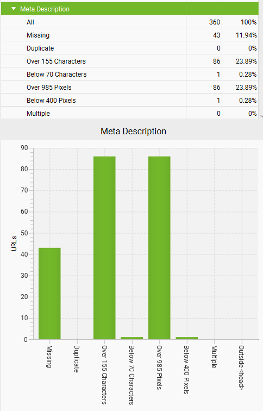
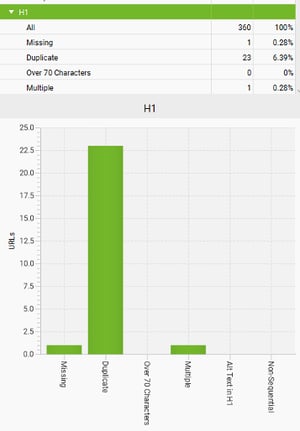
 

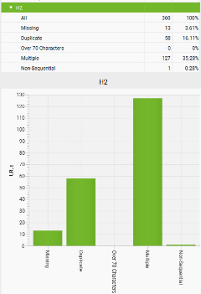
seo report- meta descriptions-why using ai tools do not make you an expert- phil wiseman- analytics that profitheaders-seo report- meta descriptions-why using ai tools do not make you an expert- phil wiseman- analytics that profith2 headers-seo report- meta descriptions-why using ai tools do not make you an expert- phil wiseman- analytics that profit

Reading an AI SEO Report Doesn’t Mean You Understand SEO

What AI SEO reports really are


Most AI‑generated SEO audits and reports are pattern‑based summaries. They’re built on:

Public best‑practice checklists  

- Template‑style technical checks  

- Standard on‑page SEO guidelines  

They can flag obvious issues like:

- Missing or duplicate title tags  

- Very slow pages  

- Weak internal linking  

- Thin pages with little text  

Those are useful starting points—but they’re not a strategy. And they’re not a diagnosis.
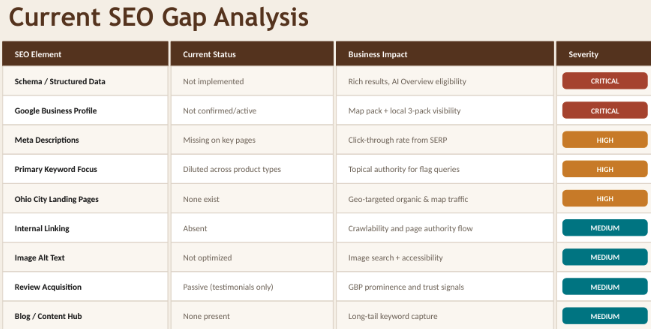
seo -expertise-why solving real human problems win-showing up in AI overview is not the same as getting traffic from chatGPT- phl wiseman _analytics that profit

Interpretation and prioritization require expertise

Two sites can receive the same “problems list” and need completely different strategies.

An expert SEO understands:

- Which issues are high‑impact vs. nice‑to‑have  

- Which technical problems are actually blocking crawl and indexation  

- Which keyword gaps matter for revenue, not just traffic  

- When to ignore a “best practice” because it conflicts with user experience or business logic  

Without that context, it’s easy to:

- Spend weeks chasing low‑impact recommendations because an AI report highlighted them in red  

- Over‑optimize content for keywords while ignoring intent and conversion paths  

- Break something that was working by blindly implementing generic advice

Owning a report is like owning imaging equipment: you still need someone who knows what they’re looking at and what to do about it.


Why AI Can’t “Do SEO” End‑to‑End

SEO is an integrated, strategic discipline

Search engine optimization is not a checklist. It’s a strategic discipline that pulls together:

- Technical SEO (site architecture, crawlability, indexation, speed)  

- Content strategy (search intent, topical depth, semantic coverage, content clusters)  

- Off‑page SEO (authority, mentions, trust signals, digital PR)  

- Analytics and attribution (how organic search actually turns into pipeline and revenue)  

- User experience (readability, UX, conversion paths, mobile usability)  

AI tools can support individual tasks inside each area, but they:

- Don’t own a P&L  

- Don’t understand your market’s nuance  

- Don’t sit in on sales calls  

- Don’t see your offline conversions or lifetime value  

An expert can weigh all of these moving parts and build an SEO strategy that aligns with your business, not just with a search results page.


How to Use AI in SEO Without Hurting Yourself

Let AI assist, not lead

AI is powerful when you treat it as an assistant, not an architect. Smart ways to use it include:

- Drafting initial outlines and content ideas around a topic and its related keywords  

- Generating variations of title tags and meta descriptions for testing  

- Summarizing long research documents or transcripts so a strategist can move faster  

From there, a human expert should:

- Fact‑check, refine, and enrich content with real data, stories, and examples  

- Ensure the piece matches your brand voice and positioning  

- Decide whether the content deserves to be published at all  

- Integrate the piece into a broader internal linking and conversion strategy  


 Focus on quality, not just quantity

Instead of asking, “How many AI‑generated posts can we publish this month?” ask:

- “Which real customer problems should we solve first?”  

- “What information do buyers need at each stage of the funnel?”  

- “Where are we losing people in our current path from click to customer?”  

Answering those questions often leads to:

- Fewer, stronger pages with better topical authority  

- Content clusters that build semantic relevance around core themes  

- Clearer calls to action and more qualified leads  

AI can help you draft and polish, but the direction has to come from a strategist who understands both SEO and your business.

you still need experts--why solving real human problems win-Why Using AI Tools Doesn’t Make You an Expert (Any More Than Reading Your X‐Ray Makes You a Radiologist)- phl wiseman _analytics that pr

Why You Still Need Experts in the Age of AI

Human expertise is your competitive moat

When everyone has access to the same tools, the tools are no longer an advantage. Execution is.

Experts bring:

- Judgment: What matters now, what can wait, and what to ignore  

- Perspective: Experience with dozens or hundreds of sites in different industries  

- Strategy: A roadmap that connects rankings to revenue, not vanity metrics  

- Accountability: Someone who lives with the results and iterates based on data  

That’s where an expert‑led, AI‑assisted agency like Analytics That Profit creates value. We leverage AI for efficiency, but we build strategy on hard‑won experience, technical depth, and a deep understanding of your customers.


The imaging analogy, one last time

AI in SEO is like imaging equipment in medicine:

- It’s powerful.  

- It’s useful.  

- It’s getting better.  

But if you hand a patient their scan and say, “Good luck,” you’re not practicing medicine. You’re outsourcing outcomes to chance.

expertise-why solving real human problems win-showing up in AI overview is not the same as getting traffic from chatGPT- phl wiseman _analytics that profit

The same is true in digital marketing. If you hand your business an AI tool and call it a day, you’re hoping, not strategizing.

If you want to use AI to grow—without wrecking your search visibility or flooding your site with content that doesn’t convert—work with experts who understand both the tools and the terrain.

Wednesday, December 17, 2025

Why Your Digital Ad ROI Isn’t What You Think – A Real-World Example


Analytics That Profit specializes in analytics-driven strategies. We encounter situations daily that remind us why proper measurement is crucial for business success.

Recently, we had a client consultation that perfectly illustrates why connecting your analytics to your advertising campaigns isn't just recommended—it's essential for profitable growth.

In digital marketing, it’s easy to get swept up in the excitement of big sales numbers and impressive-looking ad metrics. But behind every dollar spent and earned, there’s a story—the story of your true business performance.

Let me share a recent encounter with a client that perfectly illustrates the critical difference between surface metrics and what really matters: bottom-line profit.


The $1,800 Wake-Up Call: Why Revenue Isn't Profit (And How One Client Learned This the Hard Way)

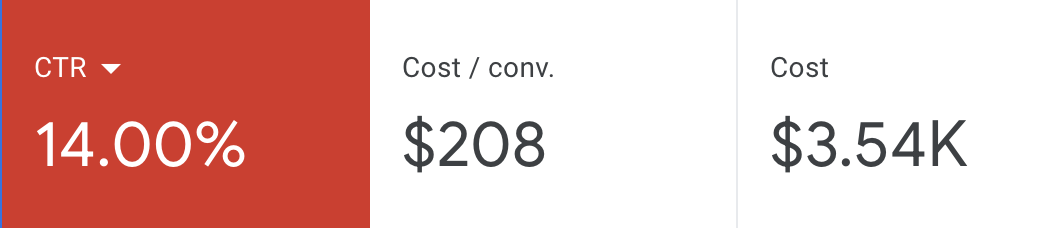
google ad spend- Google Ads-phil wiseman-analytics that profit

The Scenario: Money In, Sales Out… But Something’s Missing

A new client came to us after spending $3,300 on digital advertising. At first glance, the results looked promising: their ad campaigns generated $10,000 in sales. They were excited; these numbers felt like a win to them.

However, a crucial step was missing—the ads hadn’t been properly connected to their analytics.


They were flying blind.

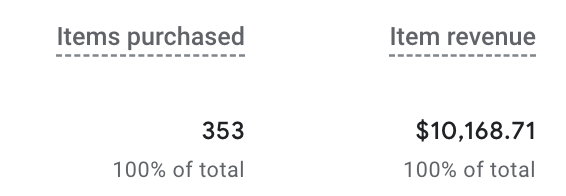
revenue generated in Google Analytics-phil wiseman-analytics that profit

The Game Changer: Connecting the Dots with Analytics

We got to work immediately, integrating their ad platforms with their analytics so every click and dollar spent could be accurately tracked. Suddenly, they gained a clear view of the big picture.

The initial $10,000 in sales was still there—but now there was transparency and clarity about how those sales were attributed to specific ad spend.

connecting Google Ads to Google Analytics-phil wiseman-analytics that profit


The Reality Check: The “Gross” Truth About Profit

Here’s where the story takes a significant turn. When we dug into the actual numbers, we discovered that the company’s gross profit margin on those sales was 15%.

  • $10,000 in sales × 15% gross profit = $1,500 gross profit
  • Total ad spend: $3,300
  • Return on Ad Spend (ROAS) based on gross profit: $1,500 ÷ $3,300 ≈ 0.45

That means for every dollar spent on ads, they got back just $0.45 in true profit.

In other words, they weren’t just breaking even—they were losing money on their digital ad campaigns.

The Lesson: Cash Flow Isn’t Profit

This scenario highlights a vital lesson for any business investing in digital marketing: Revenue and cash flow do not equal profit. High sales numbers may look great on reports, but if you’re not factoring in your costs, you don’t have the full story.

In this case, once costs of goods sold and other expenses were factored in, the ad campaigns were underwater. The business was actually losing money every time they invested more in those campaigns.

Understanding Cash Flow vs. Profit

This scenario perfectly illustrates a critical business concept that many entrepreneurs struggle with: cash flow is not the same as profit.

Cash flow represents the money moving in and out of your business. In this case, $10,000 was flowing in from sales generated by the ads. This positive cash flow might have made the business feel successful and flush with money to reinvest.

Profit, however, is what remains after all costs are accounted for. Our client's cost of goods sold was 85% of their revenue, meaning that $8,500 of that $10,000 went right back out to cover the cost of the products they sold. Add the $3,300 in advertising costs, and they were actually in the red by $1,800.

This is why businesses can appear to be thriving—with increasing sales and positive cash flow—while simultaneously losing money on their marketing efforts.


Key Takeaways for Your Business

This client's experience offers several important lessons for any business running digital advertising:

1. Connect Your Analytics

Without proper attribution, you're making marketing decisions based on incomplete data. Ensure your advertising platforms are correctly connected to your analytics tools, allowing you to track the entire customer journey.

2. Track Profit, Not Just Revenue

Revenue metrics can be misleading. Always calculate your return on ad spend based on gross profit margins, not just total sales.

3. Understand Your True Costs

Know your cost of goods sold, your operational expenses, and your profit margins. These numbers should drive your advertising strategy, not vanity metrics like total impressions or clicks.

4. Monitor Regularly


Want to transform your marketing from “impressive numbers” to actual profit?
Start with an analytics audit—so you know exactly which efforts are fueling your bottom line.

Ready to see how your marketing is really performing?

Let’s connect and get you meaningful results—not just big numbers.

Analytics That Profit—Turning Clicks Into Customers, and Customers Into True Profit.

Monday, May 19, 2025


How to Find Out Who Is Visiting Your Website-Analytics That Profit
  • May 19, 2025

If you’re a business owner who isn’t a website expert, you might wonder: “Who’s visiting my website, and why does it matter?”

Let’s break down how you can find out, using simple language and practical tips to help your business get found online.

Why Knowing Your Website Visitors Matters

Understanding your website traffic isn’t just for techies. It’s about getting to know your potential customers, so you can turn more visitors into paying clients.

When you know where your visitors come from, what they’re interested in, and how they interact with your site, you can:

  • Improve your marketing strategy
  • Make your website more user-friendly
  • Increase your sales and leads
  • Spend your advertising budget more wisely

Think of website analytics as your digital “customer counter.” It’s like having a tool that tells you how people found your business, what pages they liked, and where they left.

This information is gold for small business owners who want to grow.

What Can You Learn About Your Website Audience?

Website analytics tools, like Google Analytics, help you answer questions such as:


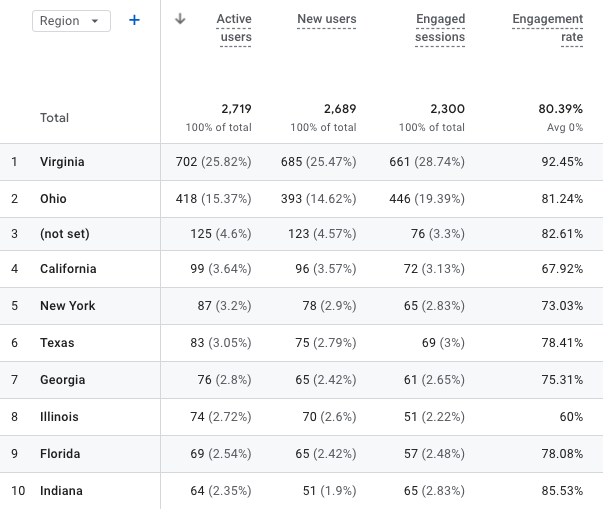
Where are my visitors located? (city, state, or country)

using google analytics to inderstand where website visitotrs are located-analytics that profit

Are they new or returning customers?


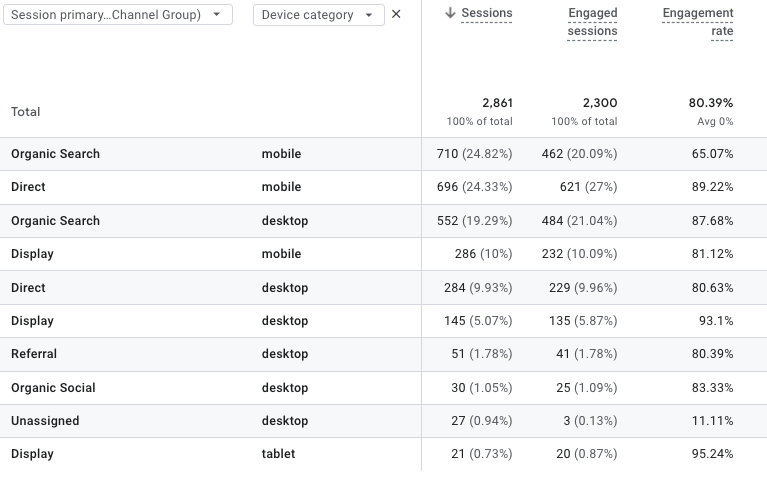
What devices are they using? (mobile, desktop, tablet)

who is visiting my website on mobile phones- analytics that profit


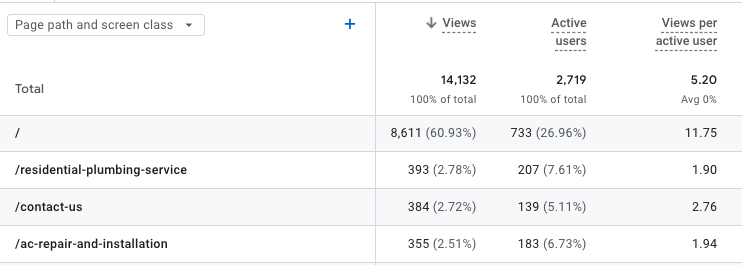
Which pages are most popular?

what pages are popular on my website-analytics that profit


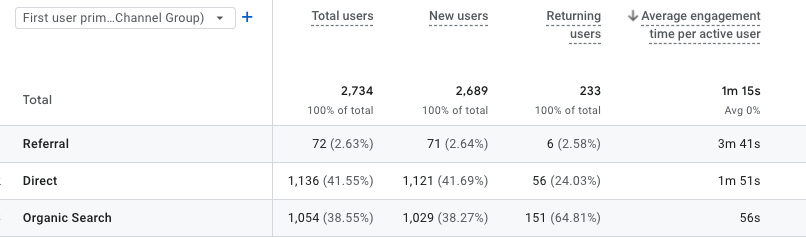
How long do people stay on my site?

how long do people stay on my website_analytics that profit


What actions do they take? (calls, form submissions, purchases)

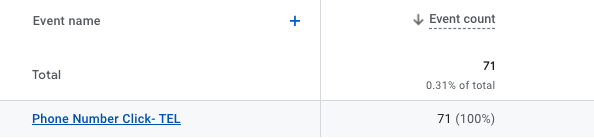
who clicked the phone number on the website-analytics that profit

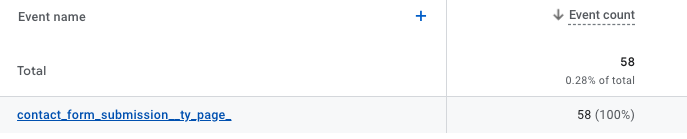
how many people completed the contact form on my website_analytics that profit


You can spot trends and make smarter decisions by looking at these details. For example, if you notice most visitors are from your local area, you can focus your marketing on that region.

If a certain page keeps people engaged, you might want to create more content like it.

How to Start: Setting Up Google Analytics

You don’t need to be a web developer to get started. Here’s how most business owners can set up website tracking:

  • Create a Google Analytics account (it’s free).
  • Add your website as a “property.”
  • Install the tracking code on your site. 
  • Check your dashboard to see your website data.
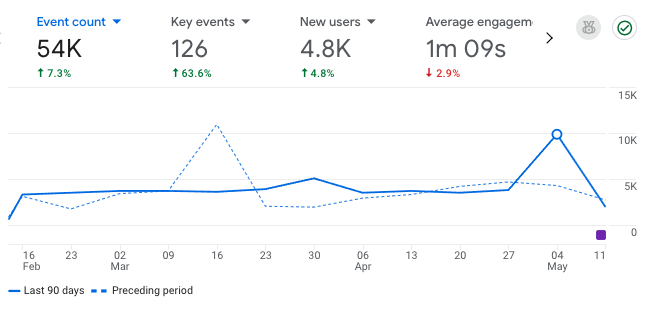
google analytics website overview-analytics that profit

If this sounds overwhelming, don’t worry.  Analytics That Profit can set this up for you quickly and correctly.


Key Website Metrics Every Business Owner Should Know

Here are some important numbers and related terms to watch:

MetricWhat It Tells YouWhy It Matters
Users/VisitorsHow many people visit your siteShows your reach and growth
SessionsTotal visits (one person can have multiple)Measures engagement
Bounce Rate% who leave after one pageA high rate may mean your content isn’t relevant or your site is hard to use
Traffic SourcesHow people found you (Google, social, direct)Helps you focus your marketing efforts
New vs. ReturningFirst-time vs. repeat visitorsIndicates loyalty and content quality
Average Session DurationHow long do people stayLonger time usually means more interest
Conversion Rate% who take action (call, buy, sign up)The ultimate measure of website success: Using Analytics to Grow Your Business


Once you know what’s happening on your website, you can take action:

Improve your content: If certain blog posts or service pages get lots of views, create more like them.


Fix problem areas: If people leave quickly (high bounce rate = Low Engagement), check if your site loads slowly or your message is unclear.


Target your marketing: If most visitors come from Facebook, focus your ads there. If they come from Google, invest in SEO and local search.


Track phone calls and forms: Set up “events” in Google Analytics to see when people click your phone number or fill out a contact form.


Tips for Accurate, Useful Data

Filter out your own visits: Exclude your business’s IP address so your team doesn’t skew the numbers.


Check your analytics regularly: Set aside time each month to review your website stats.


Set clear goals: Decide what you want your website to do (e.g., get calls, book appointments, sell products), and measure progress.


What Are LSI Keywords and Why Should You Care?

LSI keywords (Latent Semantic Indexing keywords) are simply words and phrases related to your main topic. For example, if you run a bakery, LSI keywords might include “fresh bread,” “wedding cakes,” “local bakery,” or “order pastries online.”

Using these related terms naturally in your website content helps search engines (like Google) understand your business and match you with more potential customers.

How to use LSI keywords:

  • Write about your services and products using different but related words.
  • Answer common questions your customers ask.
  • Include location-based terms if you serve a local area.

This approach helps your website show up in more searches and makes your content easier for real people to read.


Final Thoughts: Make Website Analytics Work for You

You don’t need to be a tech expert to benefit from website analytics.

By understanding who visits your site and how they interact with your business online, you can make smarter decisions, attract more customers, and grow your business.

Contact Analytics That Profit if you need help setting up analytics, understanding your website data, or using LSI keywords to boost your online presence.

We’re here to help you turn website visitors into loyal customers, without the jargon or confusion.

Why Using AI Tools Doesn’t Make You an Expert

  Using AI tools doesn’t make you an expert—any more than looking at your own CT scan makes you a radiologist. It just means you’re holding ...